

 Facebook
 X
X
 Pinterest
 Copy Link
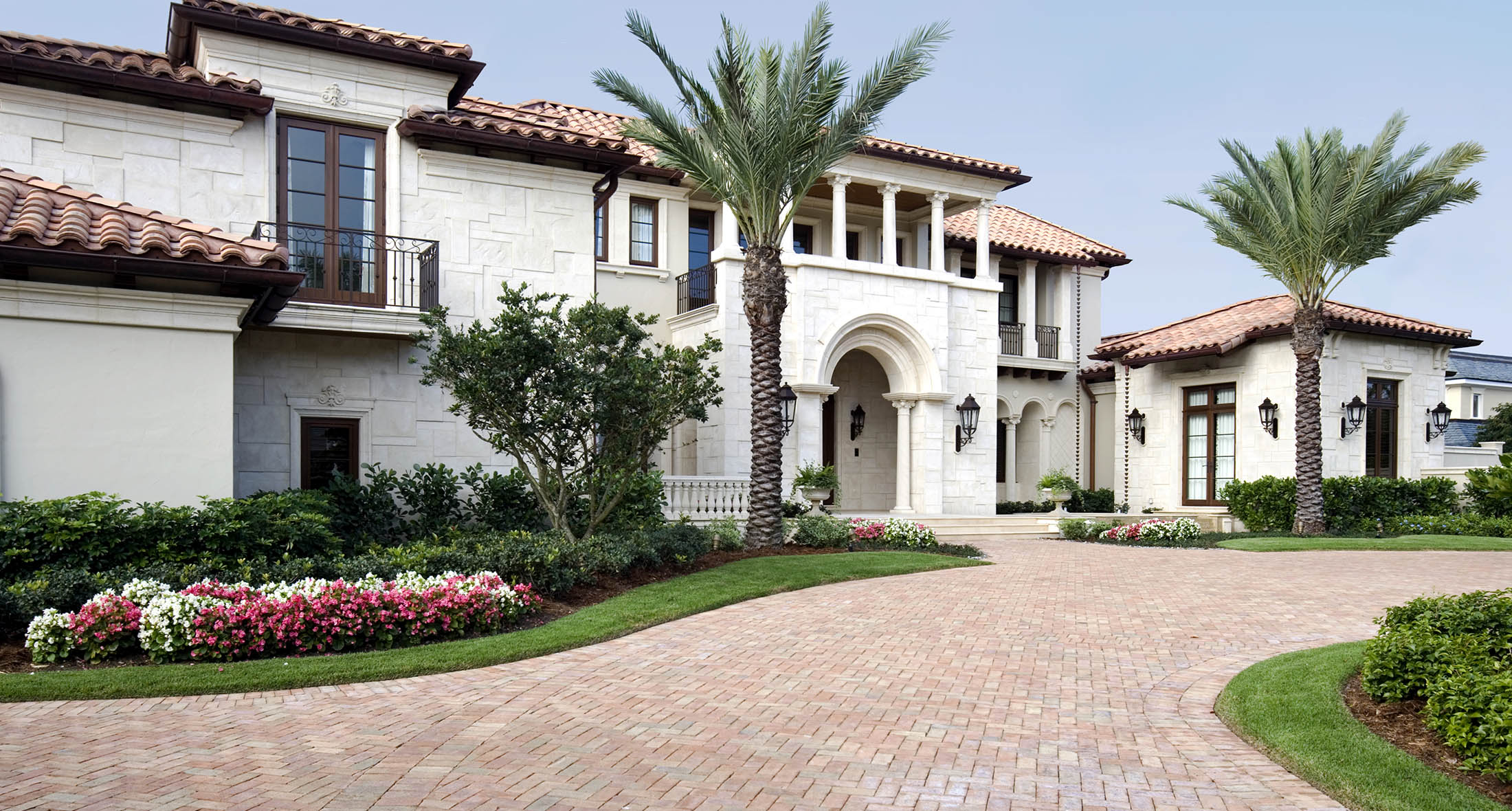
As the year comes to a close, I want to extend my deepest gratitude to every client I’ve had the privilege to serve— past present, and future. Your trust in me is the greatest gift. Merry Christmas and Happy New Year! May your home be filled with love, laughter, and unforgettable moments this holiday season.
Optimism Emerges for 2026 Home Sales
Incomes Up 33% in Maricopa County since 2020
For Buyers
Journalists reporting on housing affordability are frequently quoting sources that reference median household income. Household income can be broken down into two categories, family and non-family households. The US Census defines a family household as two or more people living in a home and related by blood or marriage. Non-family households are all others, including non-related people living as roommates or people living alone. Non-family household income is typically much lower than family income and is more suited for measuring the affordability of rental housing. Family household income is more suited for measuring the affordability of purchasing a home.
From 2020-2024, the median annual household income in Maricopa County rose 33% from $68K to $91K. The non-family median household income rose from $44.5K to $59K. Family income rose from $80K to $108K; and married family income, a subset of family income, rose from $95K to $126K.
The lending industry considers 28% of gross income an affordable monthly payment for mortgage or rent. For a family household that’s roughly a $2,500-$3,000 payment. At a mortgage rate holding steady around 6.25%, that payment supports homes priced between $350,000 and $500,000 in Maricopa County. That budget will support roughly a 1,500-1,800 square foot single family home, which will trend in the mid-$300s in the West Valley, and the mid-$400s in the Southeast Valley.
Incomes are not stagnant in Maricopa County and have been rising at a significant pace since 2020. It’s home values that have been stagnant for 3 years waiting for family incomes to catch up and mortgage rates to decline. Inventory under $500K accounts for roughly 57% of all inventory for sale and is up 16% from last year. With rates holding steady in the low 6% range for the last 4 months, demand and optimism is up for the onset of 2026.
For Sellers
November closings were another success for Q4 2025, up 3.3% from last November, except it was actually better than that. Last November had 19 closing days compared this November with 18 closing days, meaning this year November closed an extra 23 sales per day, putting the improvement at 9% instead of 3%. So far December is also outpacing last year with an extra 14 closings per day on average. If this is a peek into what 2026 may bring, then sellers should be optimistic for contract activity in January.
The big question is how many listings will line up to meet January’s expectation of increased demand. January is typically the top month for luxury, retirement and seasonal community listings to hit the market. However, new listings across all price points and areas often see a peak in March, providing ample selection for Spring buyers. This front-loading of inventory in the first part of the year often results in a rising number of price reductions as well, the level of which depends on whether we enter the year in a buyer’s market, balanced, or seller’s market.
Recent improvements in demand combined with declines in supply are pushing the Market Index back in the direction towards a balanced state. While Greater Phoenix is still in a buyer’s market overall, central and established cities are becoming the first to move back into seller’s markets. Most recently, Phoenix, Mesa and Tempe shifted back into seller’s markets within the last 30 days, putting nearly all cities in the Northeast and Southeast Valley in seller’s markets, with the exception of buyer’s markets Queen Creek and Sun Lakes. Developing cities on the edges of Metro Phoenix are typically the last ones to pull out of a buyer’s market. Pinal County cities, for example, are buyer’s markets except for Apache Junction, which is a seller’s market. The West Valley is a mix as El Mirage is a small seller’s market and Peoria recently shifted into a balanced market, joining Glendale, Avondale and Laveen. All other West Valley cities are buyer’s markets.
Don’t expect much upward pressure on price in the short term, even if your city has shifted back into a seller’s market. Prices can take up to 6 months to show a response to a shift, which means the seller’s market must be maintained, and many of these cities are still quite weak. What sellers can expect is more showing activity, shorter days on market, and less pressure to reduce their price once the Spring buying season begins.
Commentary written by Tina Tamboer, Senior Housing Analyst with The Cromford Report
Considering Buying or Selling? Let’s Connect.
With over 21 years of experience in the real estate market, I’m here to help you navigate your next move with confidence. Whether you’re looking to buy, sell, or simply explore your options, I’ll provide you with the insights you need to make informed decisions.
Even if you’re not planning to sell for several months, it’s never too early to start preparing. I offer personalized consultations where we can walk through your property together to identify improvements that can maximize your home’s value and sell for top $$.
Curious About Your Home’s Value?
Click the Home Valuation link in my signature below for a comprehensive assessment.
Let’s chat soon to start planning your next move.
Merry Christmas, wishing you and your family a healthy, happy, prosperous New Year!
SHAWN KEANE
REALTOR, ARIZONA
(602) 989-3209 Cell
